

Teachings & Social Reform
The Enduring Values of Mundal Singh
Cultural Heritage as Living Practice
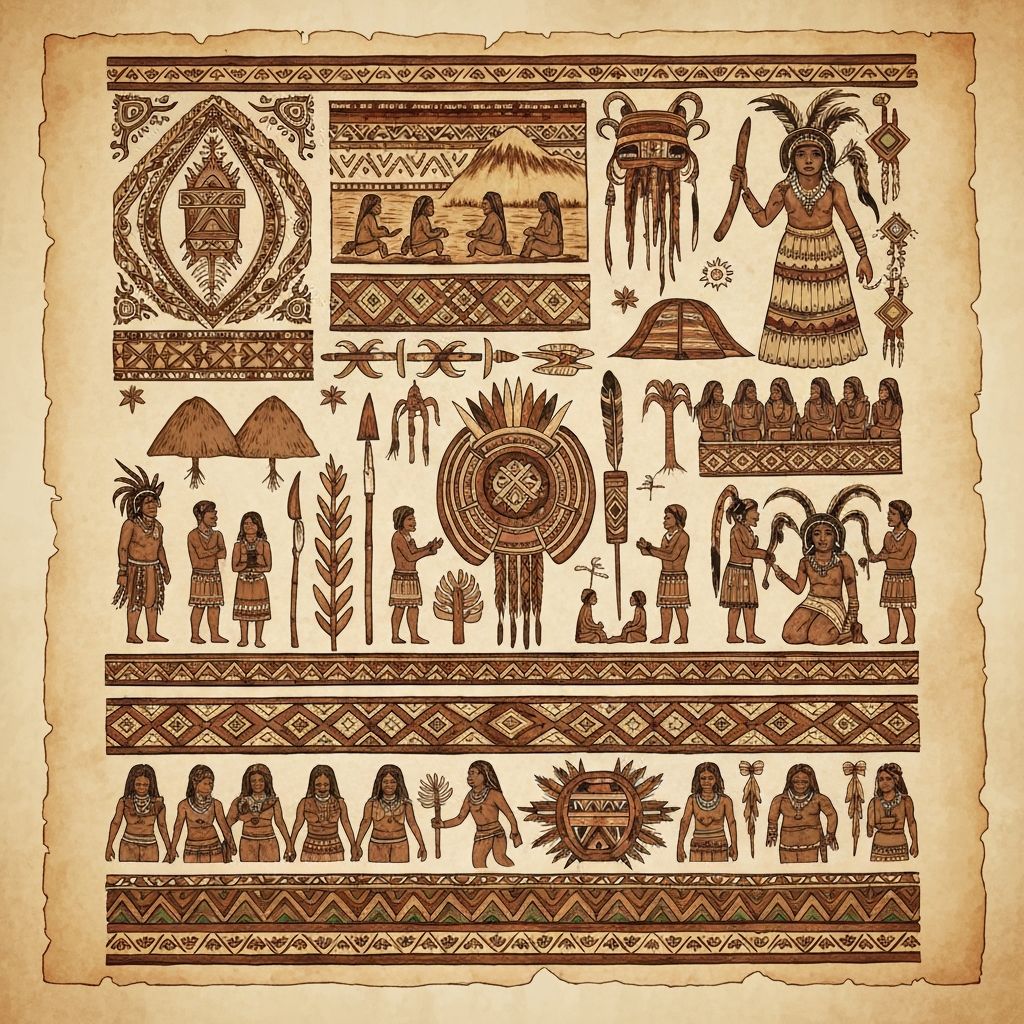
Mundal Singh understood that culture is not merely historical artifact but living practice essential to community identity and continuity. He actively preserved and promoted tribal traditions—oral stories, martial arts, ceremonial practices, and knowledge systems.
His reforms included establishing formal systems for knowledge transmission, creating spaces protected from colonial interference where young people could learn traditional practices, and elevating the status of cultural authorities and elders.
This wasn't nostalgic preservation but strategic resistance—maintaining cultural autonomy was itself a form of freedom and self-determination against colonial attempts at cultural assimilation.
Core Values

Unity
The strength of communities lies in their ability to transcend individual interests and unite around shared purpose. Diversity becomes strength when bonded by common commitment

Cultural Preservation
Indigenous knowledge, languages, and traditions are invaluable treasures that must be actively protected and transmitted to future generations as sources of identity and wisdom.

Environmental Protection
Forests and natural ecosystems are sacred territories that sustain both material and spiritual life. Their protection is synonymous with community survival and self-determination.

Courage Against Injustice
Resistance to oppression is not merely permissible but morally necessary. Courage means acting according to one's principles even in the face of overwhelming power.

Social Messages & Reform Philosophy
Mundal Singh taught that individual flourishing is inseparable from community wellbeing. Decisions should prioritize collective welfare and intergenerational equity.
Ancestral Heritage as Foundation
Mundal Singh taught that individual flourishing is inseparable from community wellbeing. Decisions should prioritize collective welfare and intergenerational equity.
Self-Determination
Communities have the inherent right to determine their own futures, govern themselves according to their values, and resist external domination.
Sustainable Relationship with Nature
Humans are stewards rather than exploiters of nature. True wealth lies in ecological health and the ability to provide sustainably for generations to come.
The Practice of Memory
Deliberately maintaining collective memory of struggles, victories, and values across generations.
Mentorship Chains
Direct transmission of knowledge, skills, and values from elders to youth through personal relationships.
Sacred Practices
Ceremonial and spiritual practices that bind communities together and reinforce shared identity and purpose.
Environmental Stewardship
Active practices of forest protection and sustainable resource management as expression of values.
Community Strength Through Ancestral Heritage
Mundal Singh's greatest teaching was that community strength emerges when people consciously connect with their ancestral heritage. This isn't romantic nostalgia but practical wisdom—the accumulated experience of generations navigating challenges, surviving crises, and maintaining dignity.
He established social practices that reinforced inter-generational connection: storytelling circles that kept history alive, mentorship relationships that transmitted skills and values, and ceremonial gatherings that renewed collective identity.
His message remains profoundly relevant: in times of challenge and uncertainty, strength comes from knowing who we are, understanding our history, and drawing inspiration from those who came before us.
Relevance in Contemporary Times

Indigenous Rights Movements
Mundal Singh's teachings about self-determination and cultural rights remain central to contemporary indigenous movements worldwide.

Environmental Justice
Mundal Singh's teachings about self-determination and cultural rights remain central to contemporary indigenous movements worldwide.

Environmental Justice
Mundal Singh's teachings about self-determination and cultural rights remain central to contemporary indigenous movements worldwide.