
Martyrdom & Legacy
A Life Dedicated to Freedom and Enduring Influence
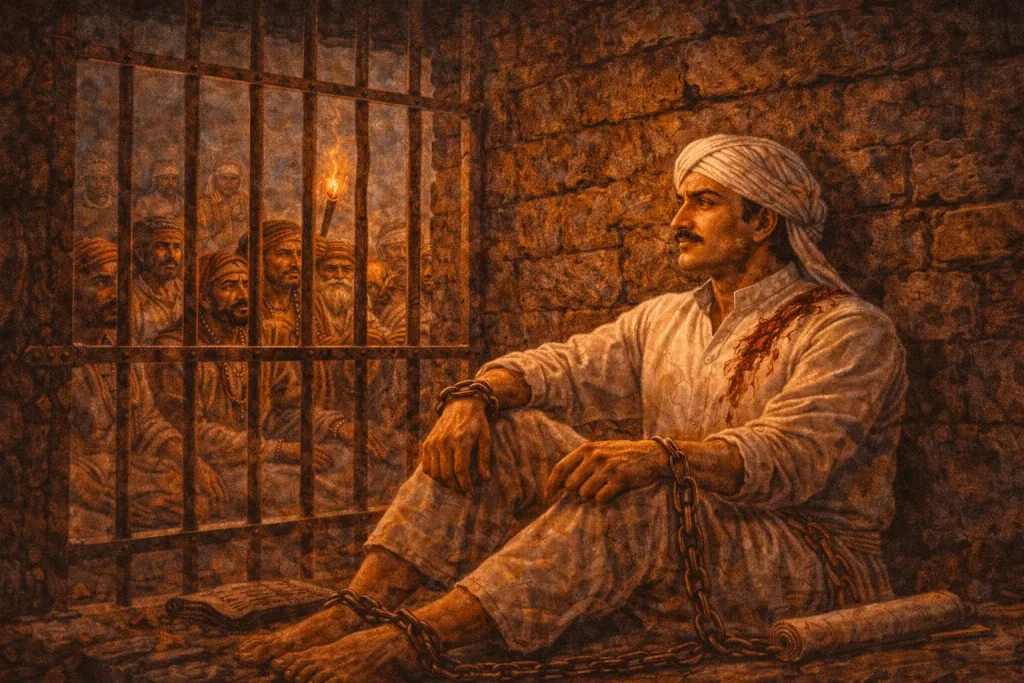
Fearless Resistance & Lasting Memory
Mundal Singh's life was defined by his willingness to sacrifice personal security for the freedom and dignity of his people. He led resistance campaigns against overwhelming imperial power, knowing that the outcome was uncertain and the personal risks were severe.
His suffering was not meaningless but transformative—it demonstrated the depths of his commitment and inspired others to continue the struggle. In tribal communities, his name became synonymous with courage and uncompromising dedication to freedom.
His memory endures not as a historical figure but as a living presence in tribal consciousness—proof that resistance against oppression is possible and that dignity cannot be taken from those who refuse to surrender it.
Recognition & Cultural Memory
Tribal Folklore
Mundal Singh's life has been preserved in countless oral stories, songs, and narratives passed down through tribal communities. These are not mere entertainments but vehicles of cultural memory and moral teaching.
Stories celebrate his courage, strategic brilliance, and unwavering commitment to his people. They pass on lessons about resistance, leadership, and the possibilities of collective action across traditional boundaries.
Cultural Preservation Efforts
Museums, cultural centers, and educational institutions have documented and preserved materials related to Mundal Singh and the tribal resistance movement, ensuring that historical record complements oral tradition.
Academic research, documentary production, and cultural festivals regularly highlight his contributions, introducing new generations to his legacy and its relevance to contemporary challenges.
Educational Programs
Organizations dedicated to tribal rights and indigenous education have developed curricula centered on Mundal Singh's life and the broader history of tribal resistance.
These programs teach young people about their heritage, instill pride in tribal identity, and connect historical struggles with contemporary movements for justice and self-determination.
Recognition & Cultural Memory
Tribal Rights Movements
Contemporary indigenous rights movements invoke Mundal Singh's legacy when advocating for land rights, autonomy, and recognition of tribal governance systems. His example demonstrates that resistance is possible even against overwhelming power.
Activists reference his strategies of inter-community coalition-building, his insistence on cultural preservation, and his unwillingness to compromise on fundamental principles. His life provides historical precedent and moral authority for contemporary struggles.
Key Influences:
• Advocacy for constitutional recognition of tribal rights
• Campaigns for land restitution and territorial autonomy
• Support for tribal self-governance institutions
• Legal battles against forced displacement
Forest Protection & Environmental Justice
Mundal Singh's vision of forests as sacred territories integral to tribal survival directly informs contemporary environmental movements led by indigenous communities. His insistence that environmental protection and tribal rights are inseparable shapes how activists approach climate justice.
Modern tribal-led conservation initiatives, from agroforestry projects to territorial defense campaigns, consciously draw on Mundal Singh's legacy of viewing humans as stewards rather than exploiters of natural ecosystems.

Inspiring Youth & Future Generations
Young people in tribal communities encounter Mundal Singh's story as inspiration for pride in their heritage and engagement with contemporary struggles. His life demonstrates that one person's courageous commitment can catalyze broader movements.
Educational programs and cultural events centered on his legacy help youth understand themselves not as passive inheritors of past oppression but as potential agents of change continuing an ancient lineage of resistance and dignity.
Lessons for New Generations:
→ Courage comes from clarity about values and commitment to others
→ Unity across differences is possible when grounded in shared purpose
→ Cultural identity and dignity are worth defending
→ Environmental protection is inseparable from human rights